The last two months of 2025 were primarily centered in Asia, with stops in four countries. But one event on the first of November generated much excitement, and it was not in Taiwan, Seoul, or any place outside the United States.
For the past year and a half, I have tried to help guide the Las Vegas Philharmonic through its search for a new music director. The actual selection was not in my province, but my role included giving guidelines and outlining a direction for the position. The search concluded when a candidate who excited the orchestra, board, and public emerged, making it unnecessary to look any further.
I thought we needed a different way to announce this choice, which is usually communicated through press conferences and generalized media notifications. This is Vegas, after all. Conveniently, the music director designate would be in town to supervise auditions for two orchestra positions the same week as my concert.
Since she would also attend our performance, I could think of no better way to present her than during the show itself. At the conclusion of Beethoven’s Fifth Symphony, I told the audience that after more than two hundred performances of the piece, I was exhausted and could not lead the encore that we had prepared.
Then I said, “But we are fortunate to have someone here who can do that. Ladies and gentlemen, it gives me great pleasure to introduce the new Music Director of your Las Vegas Philharmonic, Rei Hotoda.”
Rei was greeted with an outsized ovation. She then proceeded to lead the “Toreador Song” from Carmen, even coaxing the audience to clap along. It was a more than an auspicious beginning for her tenure and one that will help grow the culture in Vegas.
Rei and I met several times to discuss what her first season would look like, and I am convinced that she is precisely the right person for this job in this city. As for my concert, we had the privilege of performing John Corigliano’s Mr. Tambourine Man. This extraordinary work takes the poetry of Bob Dylan and sets new music to it, as if the author had never created the tunes that originally went along with the text.
Hila Plitmann—a force of nature who can do it all—cast her spell over everyone. She even acted out some of the lines, using a chair and the podium as props. The orchestra gave rousing performances of Dvořák’s “Carnival” Overture and the Beethoven symphony mentioned above. I still have one more concert with the Las Vegas Philharmonic later this season, but the bulk of my job has now concluded.
It was time to head to Taiwan, with a very brief stopover in New York to hear Olga Kern in recital at Zankel Hall. An enthusiastic, sold-out house greeted her and listened attentively to the program. It was a delight to hear her in a varied repertoire, including Beethoven, Schumann, Gershwin, and of course, Rachmaninoff.
Despite the federal shutdown, our seventeen-hour flight to Taipei went without a hitch. It was almost a year ago that Cindy and I were last in this part of the world. With much of the arts funded by the various governments, there is a remarkable sense of reliability and continued appreciation for cultural values.
Contrast that with an announcement made just a few days into our trip. FIFA, the international organization that governs soccer, will spend three weeks at the Kennedy Center. They will announce the format and draws for the World Cup, uprooting the National Symphony in the meantime. A whole week of subscription concerts have now been pushed back to March, and the program has completely changed.
With ticket sales plummeting, I fear that this situation will put the orchestra and other displaced artists in even more dire straits. Keep in mind that there is nothing illegal here, as the orchestra does not own the hall. It is a tenant, which the landlord can move around as it sees fit. However, orchestras and audiences thrive on stability, so this action takes another step toward redefining the Kennedy Center for the Performing Arts’ core mission.
Meanwhile, I conducted an all-Beethoven program with the Taiwan Philharmonic. The Sixth Symphony and “Emperor” Concerto served as our only repertoire, and they are certainly enough. The “Pastoral” does not come up quite as often as several of Beethoven’s other works in the form, but it is also one of the most unique in the composer’s output.
The orchestra was enthusiastic throughout the rehearsals and brought a true sense of refinement to this almost programmatic piece. Solos were distinguished without going over the top, and the orchestra—particularly the strings—gave a warm account of nature, including streams, birdsongs, and a slightly inebriated peasant.
Sir Stephen Hough was the soloist in the magisterial E-flat concerto. For the concerts, he chose a piano made by the Italian company Fazioli. At ten feet long, as opposed to the standard nine, it had not only the power required for the ferocious passages but also the delicacy needed, particularly in the second movement. Stephen and I had not worked together for several years, and this was a great reunion.
When I was in Taipei a little over a year ago, I had a new tuxedo made by a tailor whose shop is just across the street from the hotel where I stayed. With a whole week for this visit, I decided another tux was in order. This is a long trip with several different climate conditions, so Cindy packed accordingly. We were not sure if another set of clothes would fit into the bulging suitcases.
In the past, it would have been easy enough to send it home if necessary. However, we were informed that anything over $100 was subject to a 100% tariff if shipped, more than doubling the price. The only solution was to buy an inexpensive bag and check one more piece of luggage. Look out for a different-colored jacket the next time you see me conduct.
Next, we traveled to Seoul for my debut with the KBS Symphony Orchestra. Although I have been to Korea several times, this was my first appearance with the broadcasting network’s flagship ensemble. They proved to be versatile and flexible. The program was not particularly demanding in terms of technical skills, but there are always twists and turns in Shostakovich’s Eleventh Symphony.
As with many radio and television orchestras, rehearsals take place in a separate studio space within the vast KBS complex. The practice room is quite dry and, at least in the symphony, deafening. But it did enable the musicians to hear each other as an ensemble.
When we got to the Lotte Concert Hall, the acoustics were dramatically different. All of a sudden, I was confronted with a resonant sound and a decay time lasting almost three seconds. But the playing onstage was easy to manage. Everyone was involved 100%, with the strings digging in during the aggressive passages and producing a refined pianissimo when needed.
We opened with Cindy’s Circuits, now a standard work in my repertoire. The percussion section was right on point, and the audience seemed delighted.
Our soloist was Eric Lu, fresh off his win at the Chopin Competition. It was clear that the outings since then had been exhausting, offering no downtime at all. But his talent is evident, and in the Second Concerto by the competition’s namesake, he showed off his technical and musical command. For the second week in a row, the soloist performed on a Fazioli piano, but this was not the behemoth that Stephen had used.
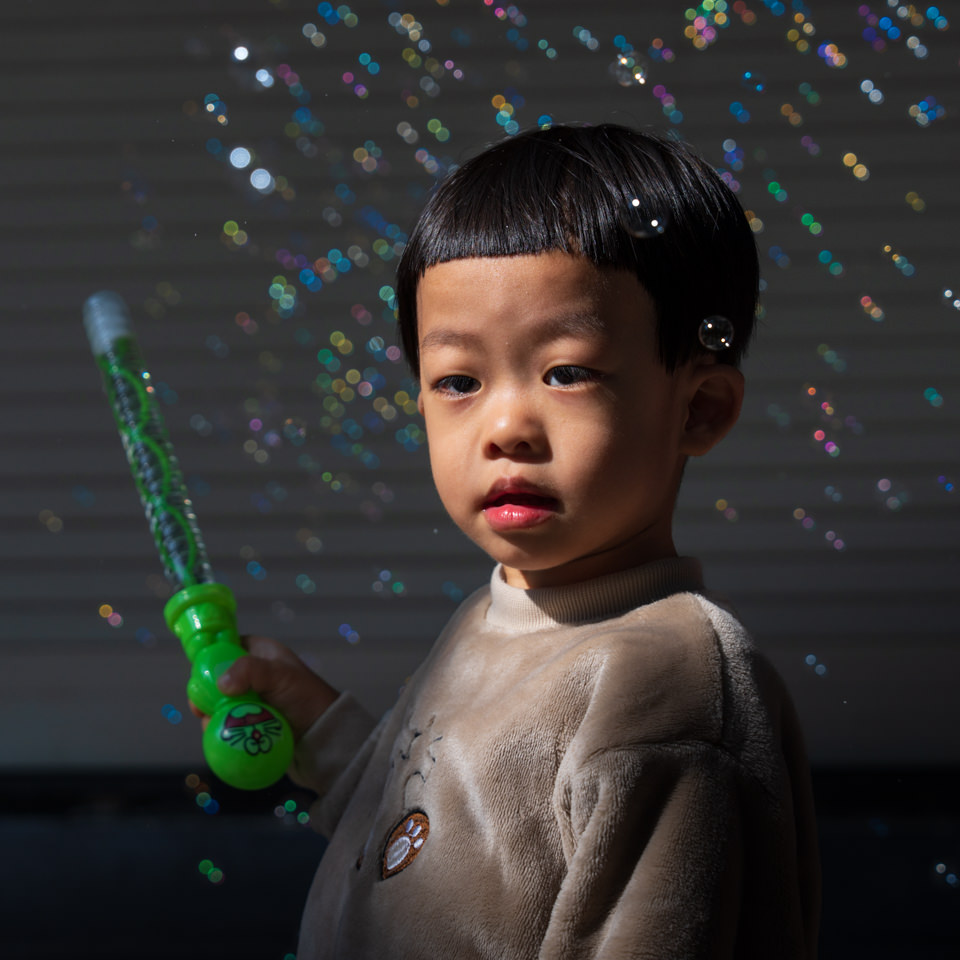
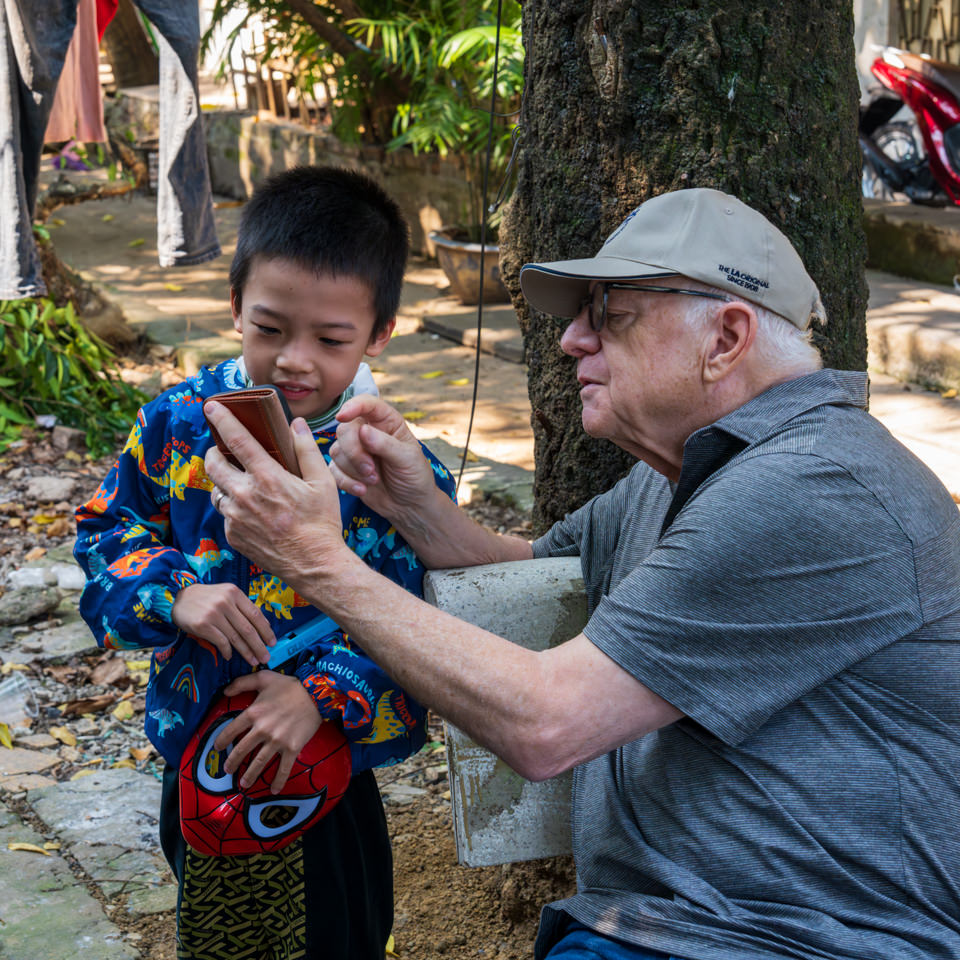
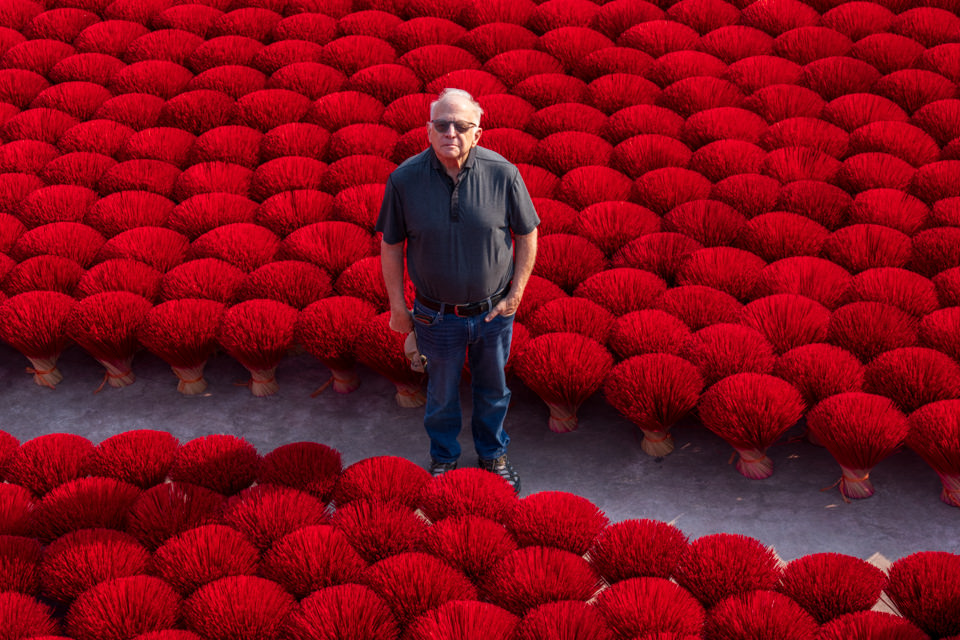
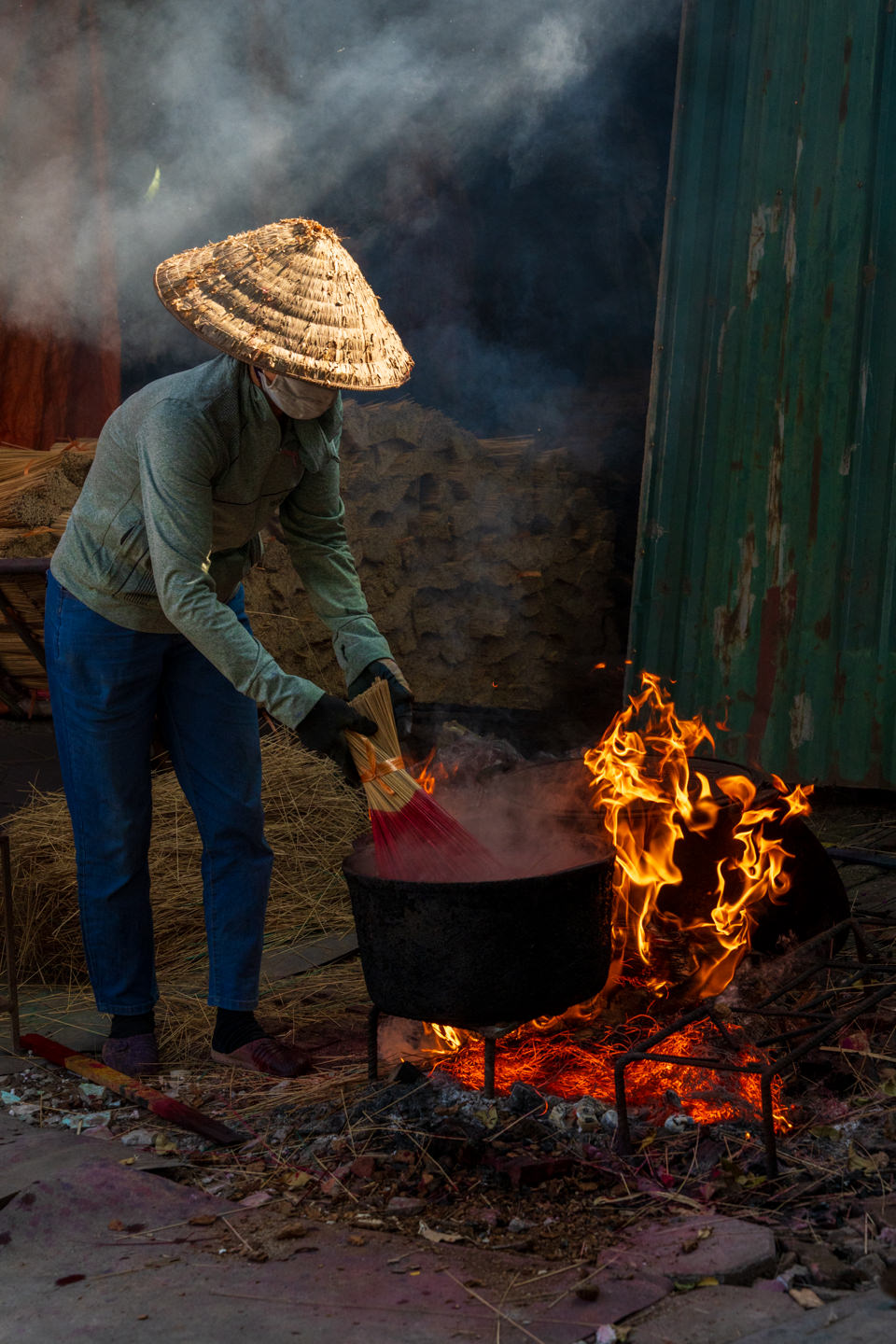
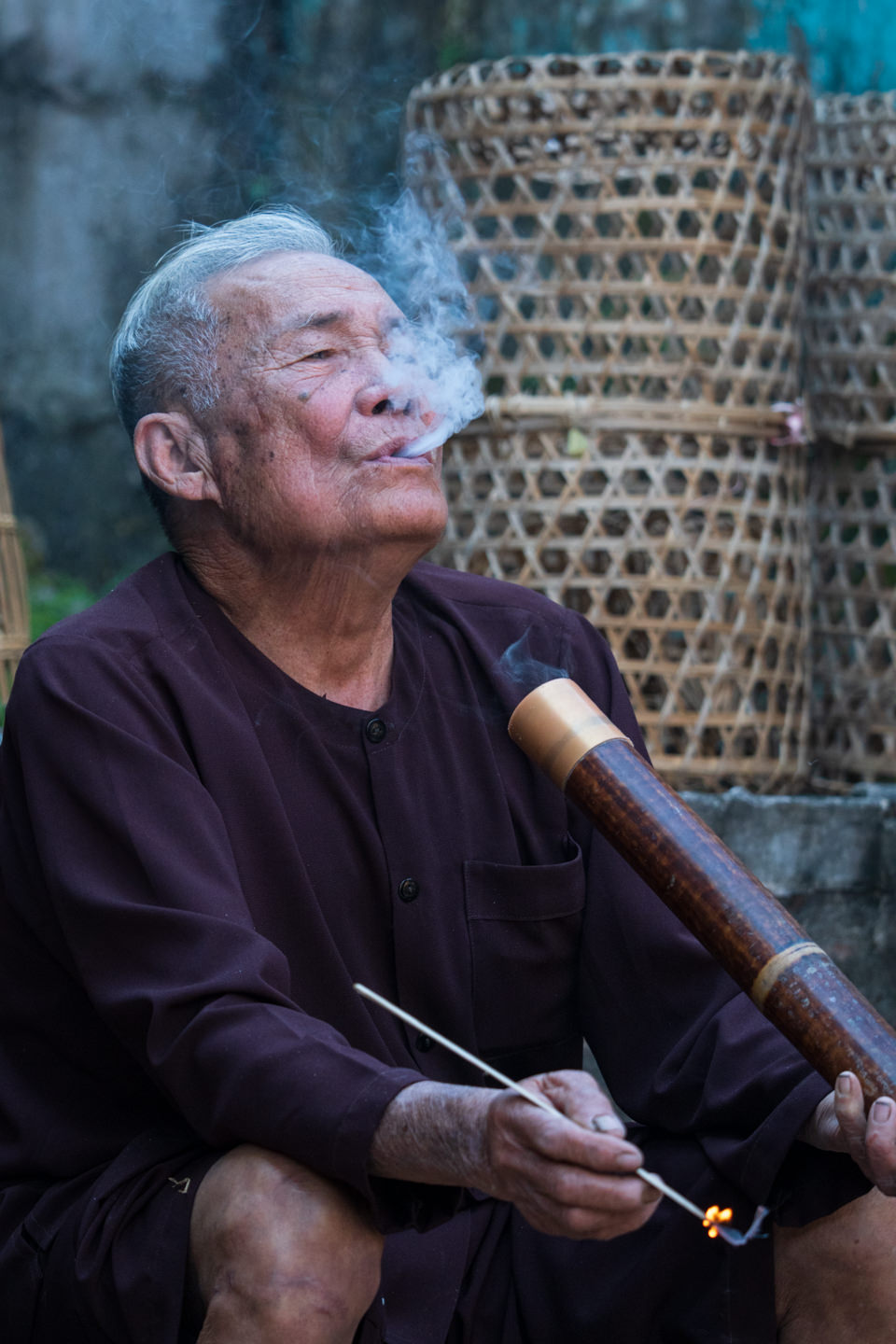
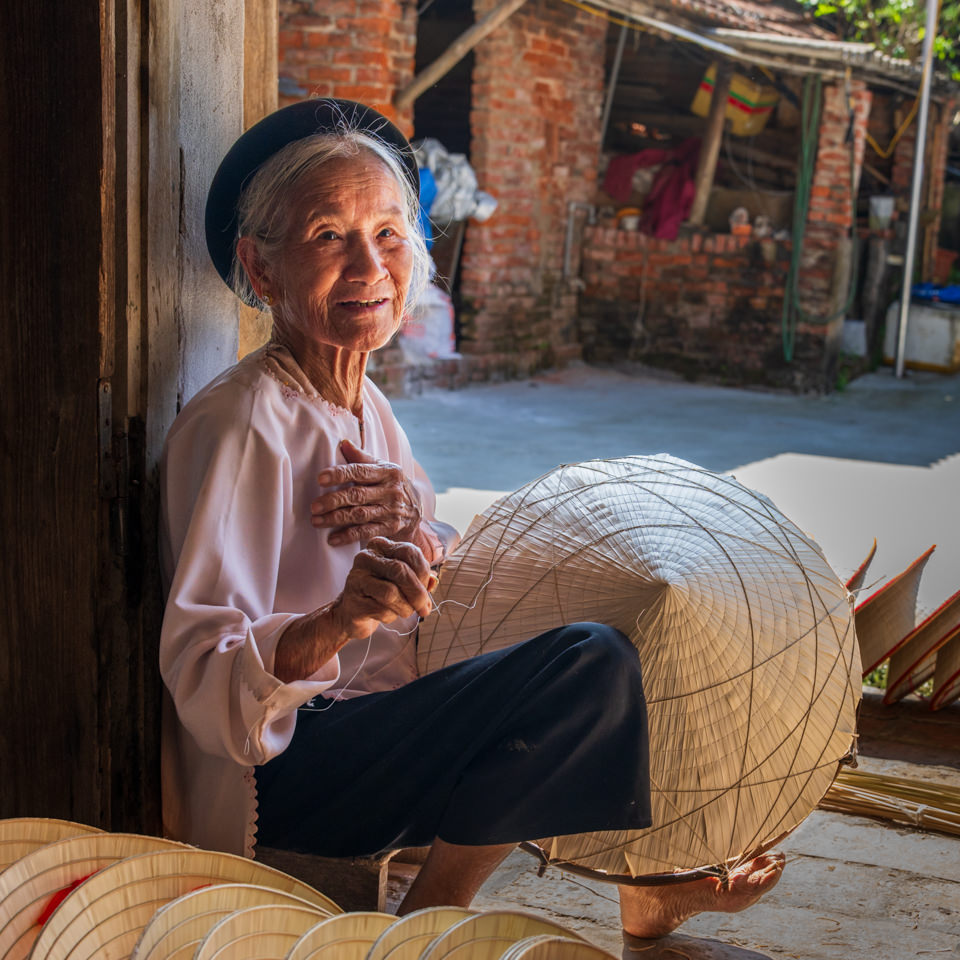
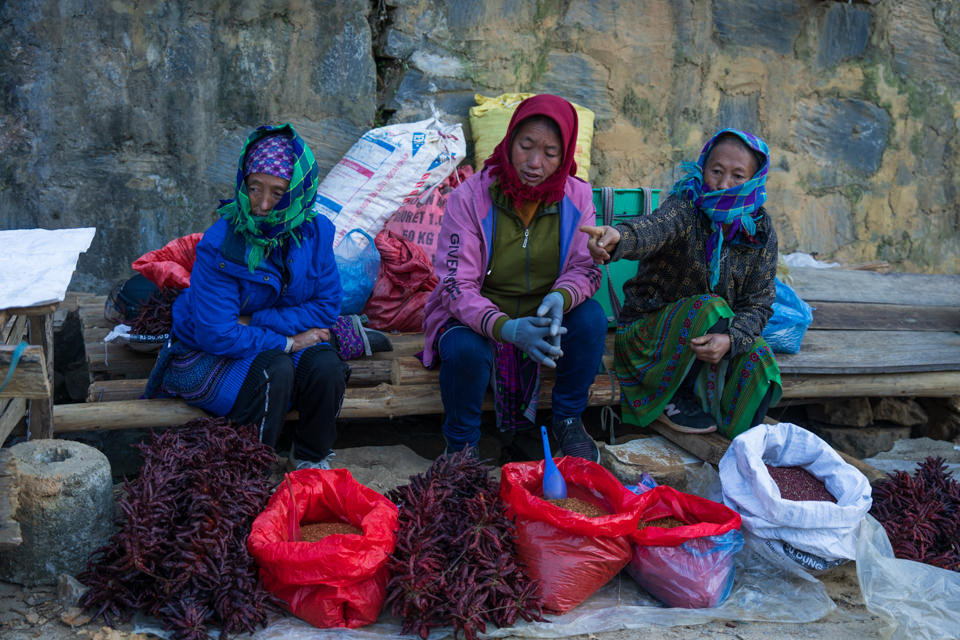
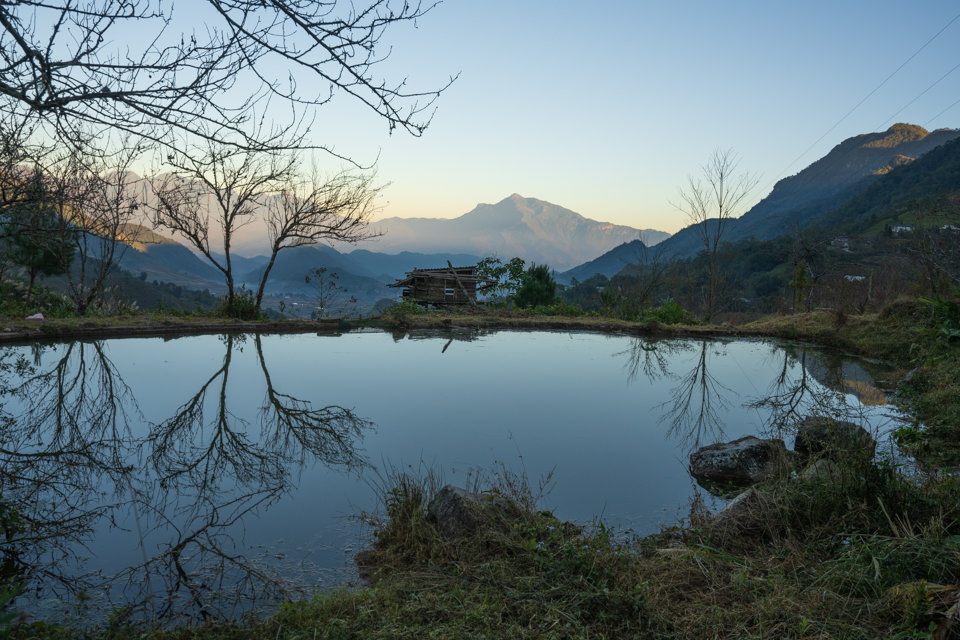
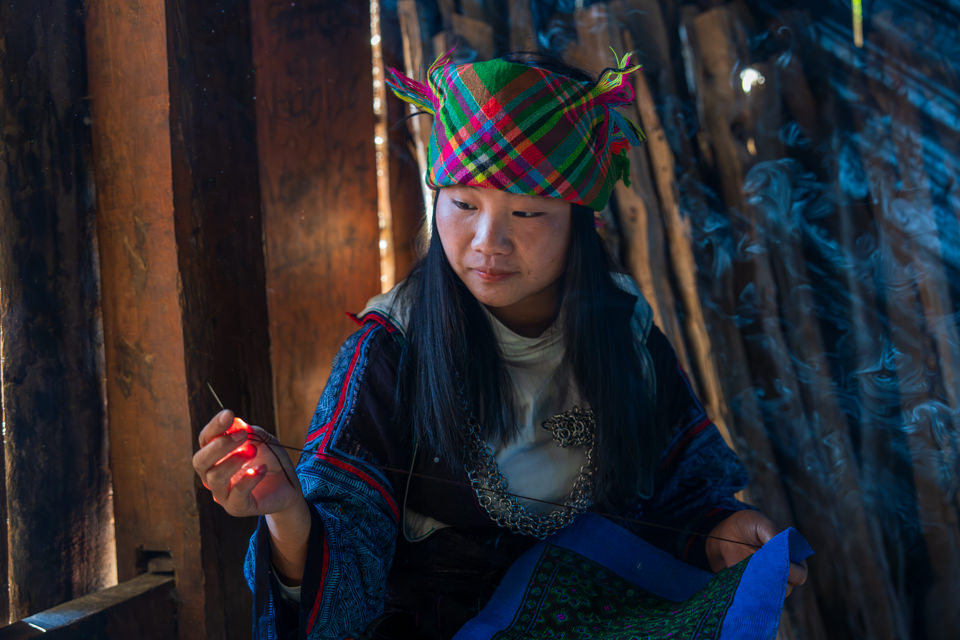
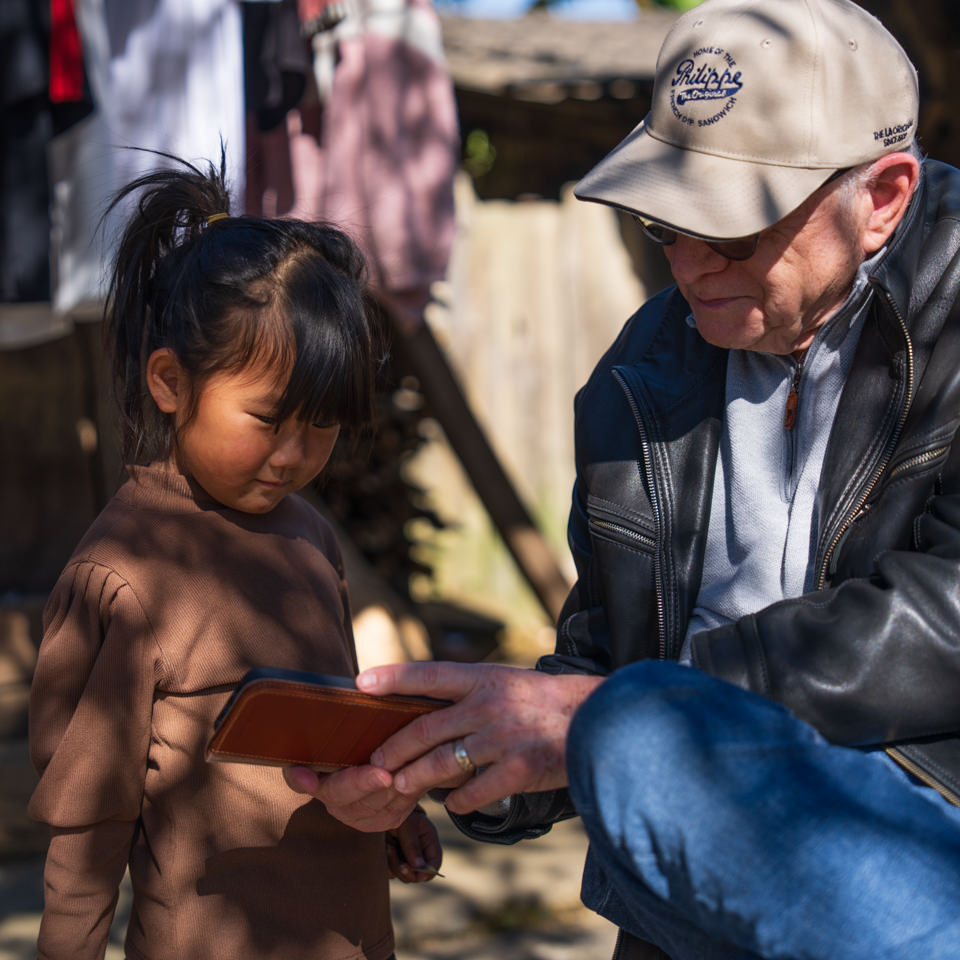
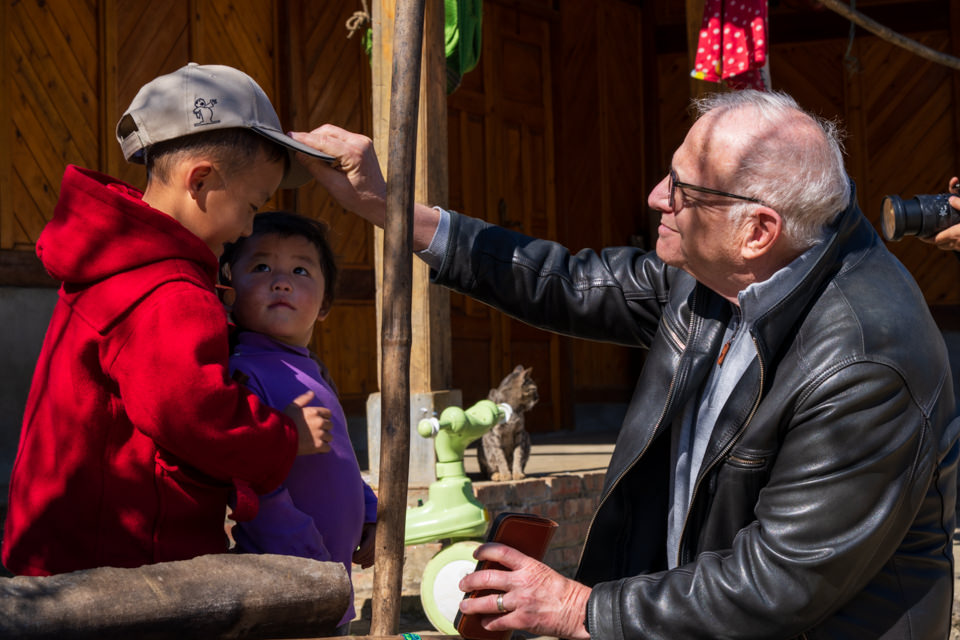
Part of the pleasure of a sometimes-difficult travel itinerary is allowing Cindy to stretch her photography chops. With ten days off before my next engagement in Japan, we decided to visit Vietnam. This is always on the camera world’s top 10 places to shoot, and neither of us had been there before.
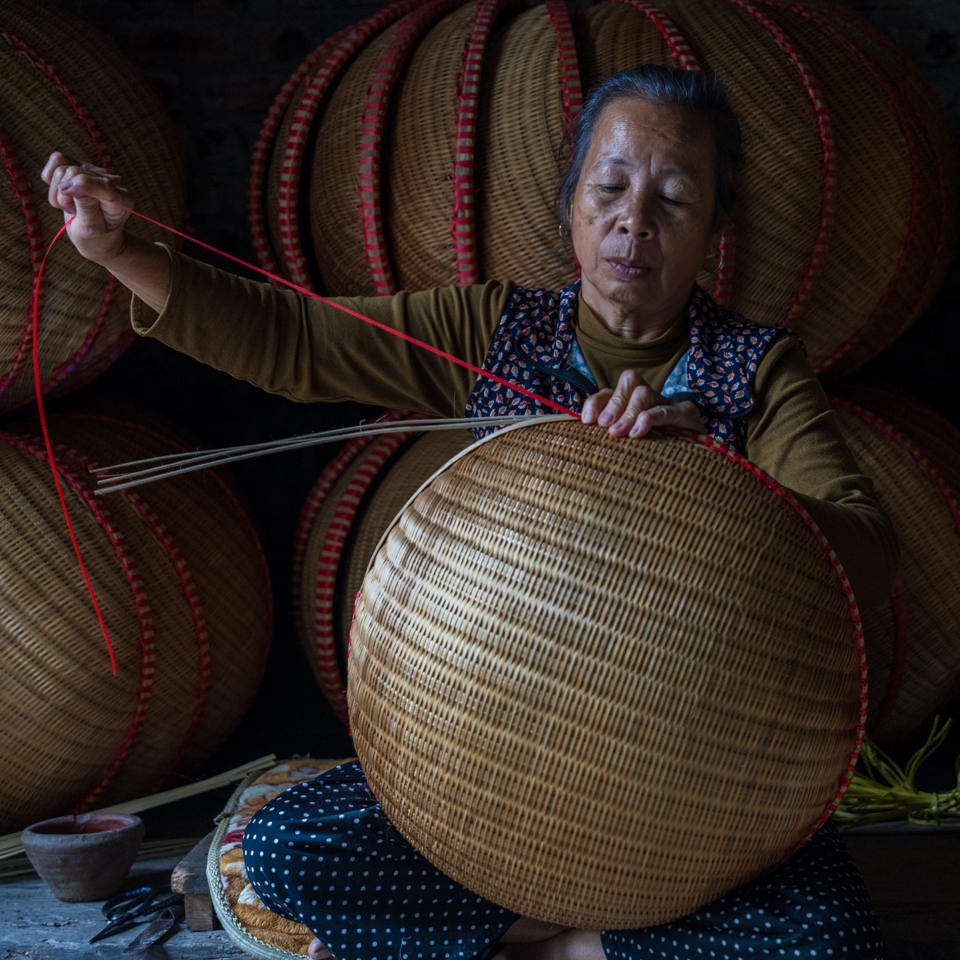
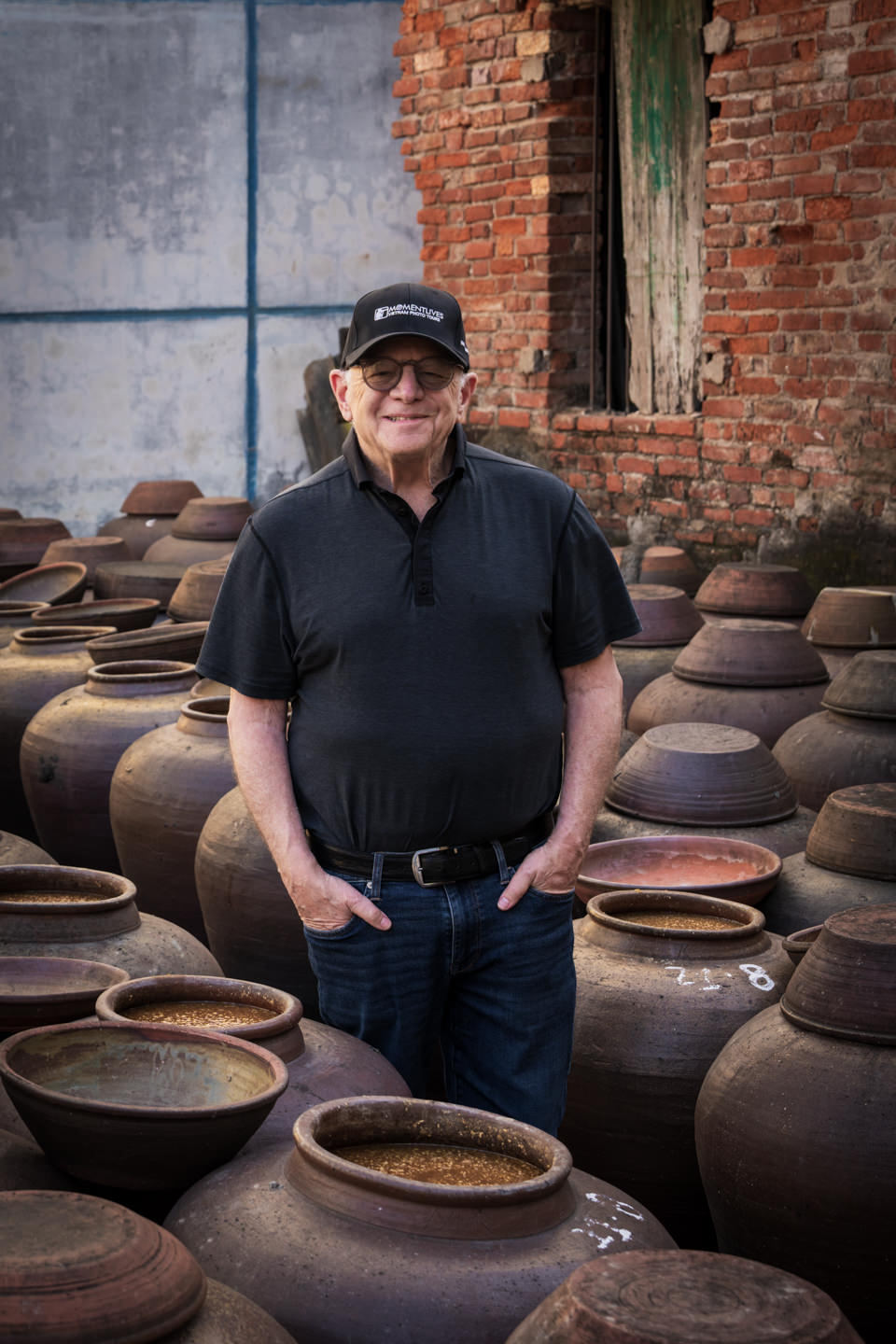
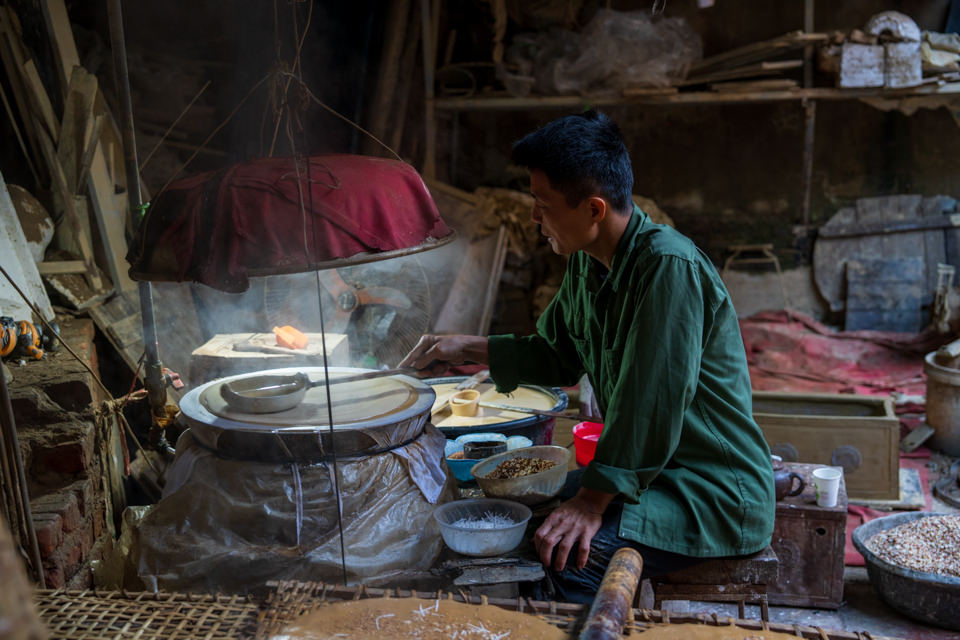
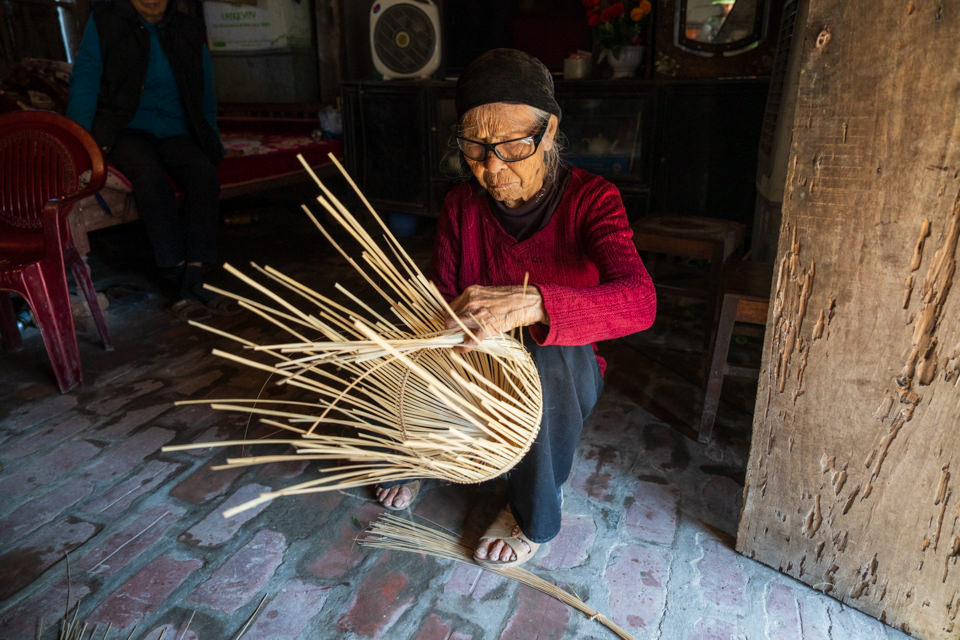
It is hard to believe that just fifty years ago, we were engaged in a bitter clash understood by few. Today, Vietnam is a growing, thriving country, home to some of the friendliest people on the planet. Their rich heritage is reflected in the smiles of almost everyone you meet. We spent most of the time in the north, Hanoi to be exact. Our journeys also took us to small villages where we experienced various methods of invention. Whether it was observing the process of making conical hats, watching bamboo basketweaving, tasting multiple forms of soy sauce, or looking at the art, this was a truly unforgettable visit.
Since this trip occupied the remainder of November, I will leave you with a few of Cindy’s marvelous pictures.
***
***
***
***
***
***
***
***
***
***
***
***
***
***
***
See you next month,
Leonard